The Dark Side of Denver Ghost Tours: Real Hauntings or Tourism?
Denver's paranormal tourism boom brings ghost tours and TV crews to investigate haunted venues. But what's really happening at these spooky spots?
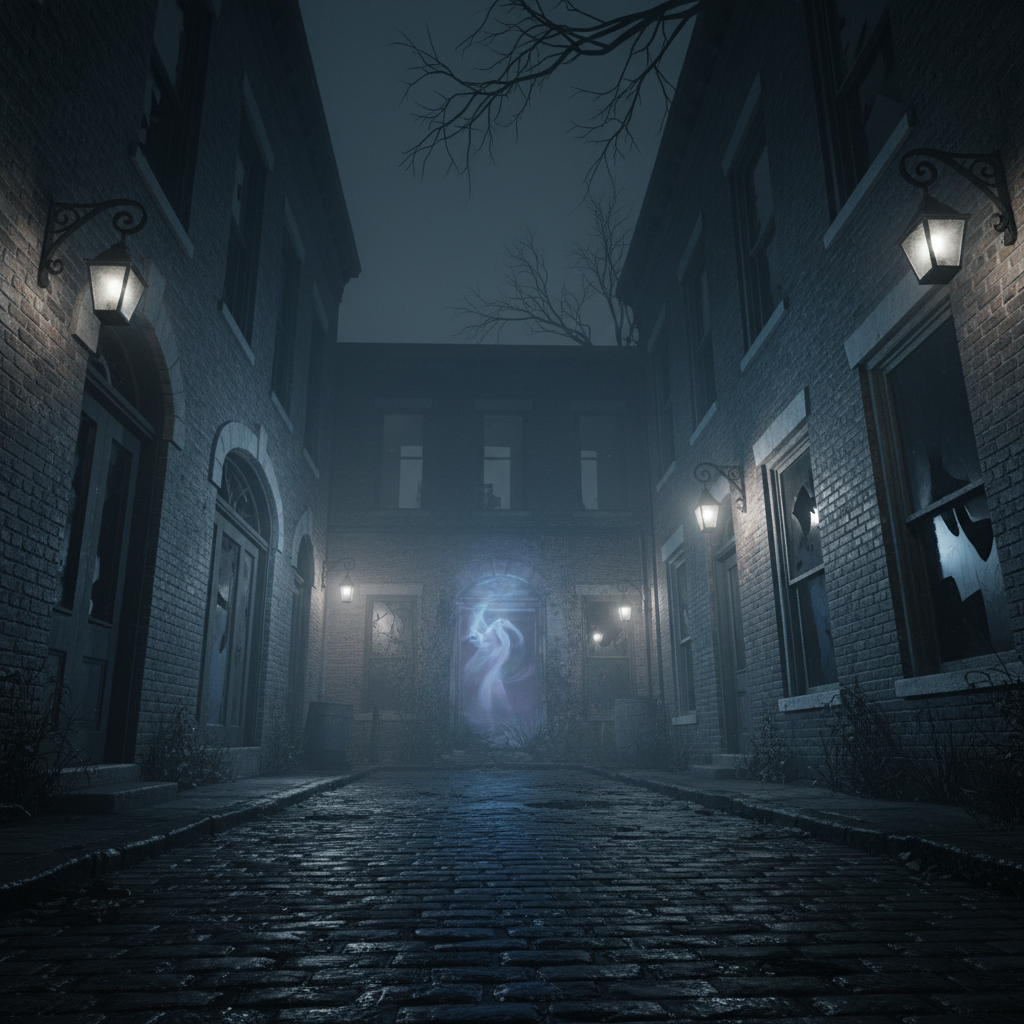
The lantern light flickers across weathered tombstones as tourists huddle closer, their breath visible in the crisp Colorado night air. A guide’s voice drops to a theatrical whisper, recounting tales of restless spirits and unexplained phenomena. Welcome to Denver’s booming paranormal tourism industry, where the line between documented history and entertaining fiction has never been more blurred.
The Ghost Tour Gold Rush
According to recent reports, Dark Side of Denver ghost tours have become increasingly popular, capitalizing on the city’s reputation for supernatural activity. These walking tours promise encounters with the unexplained, taking groups through historic neighborhoods and allegedly haunted locations throughout the Mile High City. But what separates genuine paranormal research from commercial entertainment?
The Denver Gazette recently highlighted the Peabody-Whitehead Mansion as “one of Denver’s spookiest spots,” citing its history and reported supernatural activity. Built in the 1890s, this mansion has attracted both serious paranormal investigators and curious tourists seeking thrills. The distinction between these two groups reveals a fundamental tension in Denver’s ghost tour industry.
When Television Meets the Supernatural
The paranormal investigation scene in Denver reached a new level of mainstream attention when CBS News reported on investigators becoming the first to explore a Denver restaurant that was formerly a mortuary. This type of location – with its documented history of death and transition – represents the kind of venue that attracts both legitimate researchers and commercial tour operators.
Even more notably, Denver7 and 98.5 KYGO covered the story of paranormal investigators setting their sights on Ophelia’s Electric Soapbox for a television debut. The downtown Denver music venue, with its own storied past, became the focus of a paranormal investigation TV show, highlighting how the paranormal tourism industry increasingly intersects with mainstream media and entertainment.
The Investigation vs. Entertainment Divide
Real paranormal investigators typically approach their work with scientific methodology – using EMF detectors, thermal cameras, and audio recording equipment to document potential anomalies. They spend hours reviewing data, looking for patterns and seeking rational explanations before considering supernatural causes. Their goal is evidence, not entertainment.
Ghost tour guides, however, operate under different pressures. Their success depends on customer satisfaction, which often means delivering spine-tingling stories and atmospheric experiences rather than methodical investigation. Tours must move at a brisk pace, hit multiple locations, and maintain audience engagement throughout the evening.
This creates a fundamental conflict: authentic paranormal research requires patience, skepticism, and often yields inconclusive results, while commercial ghost tours need compelling narratives and guaranteed scares.
The Real History Behind the Hauntings
Denver’s genuine supernatural reputation stems from its rich history of tragedy and transition. The city’s rapid growth during the gold rush era, combined with harsh frontier conditions, resulted in numerous untimely deaths and traumatic events. Many of the locations featured on ghost tours do have documented histories of death, violence, or significant emotional events.
However, the challenge lies in distinguishing between historical fact and embellished storytelling. While a building may indeed have been the site of a tragic death in the 1800s, that doesn’t necessarily validate claims about ongoing supernatural activity. Tour guides often present speculation and local folklore as established fact, creating a distorted picture of what’s actually known versus what makes for good theater.
What Investigators Actually Find
According to various reports on paranormal investigations in Denver venues, researchers often encounter equipment malfunctions, unexplained temperature fluctuations, and strange audio phenomena. However, these findings typically require extensive analysis and rarely provide the clear-cut evidence of supernatural activity that tour groups might expect.
Professional paranormal investigators emphasize that most reported phenomena have natural explanations – old buildings settle and creak, electromagnetic fields from modern equipment can affect sensitive devices, and psychological factors like suggestion and expectation can influence perception. The truly unexplained cases are rare and often less dramatic than ghost tour narratives suggest.
The Tourist Trap Question
The commercialization of Denver’s paranormal scene raises questions about authenticity. Some critics argue that the proliferation of ghost tours and paranormal entertainment venues prioritizes profit over genuine investigation or historical accuracy. Tours may present unverified claims as fact, combine elements from different time periods, or exaggerate minor historical details to create more compelling narratives.
However, supporters contend that these tours serve valuable purposes – they preserve local history, support historic preservation efforts, and provide accessible entry points for people interested in the paranormal. Many tour participants develop genuine interest in local history and go on to research Denver’s past independently.
The Verdict: Balancing Mystery and Reality
Denver’s paranormal tourism boom reflects genuine public fascination with the unexplained, but it also highlights the tension between entertainment and investigation. The most responsible ghost tours acknowledge the difference between documented history and speculative narratives, clearly distinguishing between established facts and local legends.
For visitors seeking authentic experiences, the key is managing expectations. Ghost tours can provide entertaining introductions to Denver’s history and folklore, but they shouldn’t be considered authoritative sources of paranormal evidence. Those seriously interested in supernatural investigation should look for groups that emphasize scientific methodology and transparent reporting of their findings.
The dark side of Denver ghost tours isn’t necessarily the supernatural activity they claim to showcase – it’s the potential for commercial interests to obscure genuine history and create false expectations about paranormal investigation. The real mystery may be finding tour operators who can balance entertainment value with historical integrity.
As Denver’s paranormal tourism continues to grow, the challenge will be maintaining authentic connections to the city’s genuine mysteries while satisfying visitors’ desire for supernatural thrills. The spirits of Denver’s past, whether real or imagined, deserve better than cheap scares and fabricated stories. They deserve the truth – however ordinary or extraordinary it might be.