
The Peabody-Whitehead Mansion: Denver's Most Haunted Residence
Explore the dark history and paranormal activity at Denver's notorious Peabody-Whitehead Mansion, where tragic deaths fuel ghostly encounters.
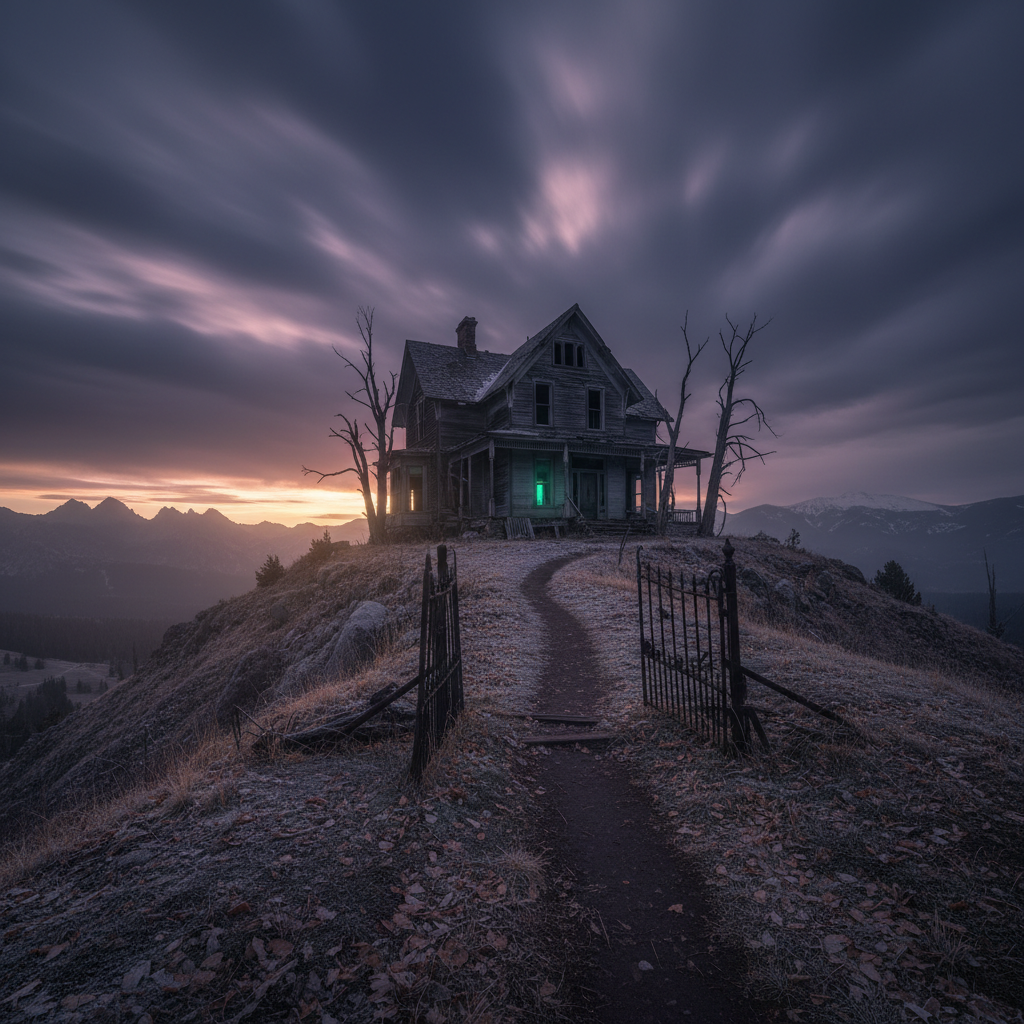
The Gothic Revival mansion at 1128 Grant Street stands like a Victorian monument to tragedy, its dark brick facade and ornate ironwork casting long shadows across Denver’s Capitol Hill neighborhood. For over a century, the Peabody-Whitehead Mansion has earned a reputation as one of the Mile High City’s most haunted residences, where the echoes of past tragedies seemingly refuse to fade.
According to recent coverage by the Denver Gazette, the mansion’s sinister reputation stems from a series of documented tragedies that befell its residents throughout the late 19th and early 20th centuries. The stately home, built in 1889, has witnessed enough death and despair to fuel decades of ghost stories and paranormal encounters.
A House Built on Sorrow
The mansion’s dark history began almost immediately after its construction. Historical records document multiple deaths within its walls, including suicides and unexplained fatalities that left their mark on the property’s psychic landscape. The home’s most notorious period came during the ownership of the Peabody and later Whitehead families, whose personal tragedies became intertwined with the building’s haunted legacy.
What makes the Peabody-Whitehead Mansion particularly compelling to paranormal researchers is the documented nature of many incidents. Unlike folklore that grows over time, the mansion’s haunted reputation is built upon verifiable deaths and tragedies recorded in historical archives and newspaper accounts from the era.
The Denver Gazette’s recent investigation into the property highlights how these real-world tragedies have evolved into reports of supernatural activity, making it a cornerstone of Denver’s ghost tour circuit and a frequent subject of paranormal investigations.
Modern Encounters with the Past
Today’s residents and visitors continue to report unexplained phenomena within the mansion’s walls. According to various accounts, witnesses have described sudden temperature drops, unexplained sounds, and the sensation of being watched by unseen presences. The building’s ornate Victorian architecture, with its numerous rooms, hidden passages, and dramatic staircases, provides the perfect backdrop for such encounters.
The mansion’s reputation has grown to such prominence that it regularly appears on lists of Colorado’s most haunted locations. As noted in recent coverage by Uncover Colorado, the state has no shortage of creepy real stories, but few locations can match the Peabody-Whitehead Mansion’s combination of documented tragedy and ongoing paranormal reports.
The Science of Hauntings
What transforms historical tragedy into modern ghost stories? Paranormal investigators who have studied the mansion suggest that traumatic events can leave lasting impressions on locations, particularly in buildings with the architectural complexity of the Peabody-Whitehead Mansion. The home’s numerous rooms, each with their own history, create multiple focal points for reported activity.
The mansion’s construction materials and design may also play a role in the reports. Victorian-era homes were built with materials and techniques that can create natural acoustic phenomena – settling timbers, temperature differentials, and air movement through complex floor plans can produce sounds and sensations that, while explainable, contribute to the eerie atmosphere.
Part of Denver’s Paranormal Landscape
The Peabody-Whitehead Mansion exists within a broader context of Denver’s supernatural reputation. Recent paranormal investigations in the area, including work at locations like Ophelia’s Electric Soapbox (a former mortuary turned music venue), demonstrate that Denver has become a hotspot for ghost hunters and paranormal television programs.
As reported by CBS News and Denver7, professional paranormal investigators have been increasingly active in Denver, with some investigations making their way to television. This renewed interest in the city’s haunted locations has brought fresh attention to longtime supernatural hotspots like the Peabody-Whitehead Mansion.
The mansion’s inclusion in Denver’s “Dark Side” ghost tours, as covered by KUSA, shows how these historical tragedies have become part of the city’s cultural identity. Visitors from around the world now seek out these locations, drawn by the combination of genuine history and supernatural mystery.
The Weight of History
What sets the Peabody-Whitehead Mansion apart from typical ghost stories is its foundation in documented historical events. The tragic deaths that occurred within its walls are matters of public record, not urban legend. This factual basis gives weight to contemporary paranormal reports, creating a bridge between verifiable history and unexplained phenomena.
The mansion serves as a reminder that Denver’s supernatural reputation isn’t built on folklore alone, but on real human tragedies that left lasting impressions on the community. Whether one believes in ghosts or not, the building stands as a testament to the sorrows that unfolded within its walls over more than a century.
The Ongoing Mystery
Today, the Peabody-Whitehead Mansion continues to intrigue both skeptics and believers. Its combination of Gothic architecture, documented tragedies, and ongoing reports of paranormal activity creates a perfect storm for supernatural speculation. As noted in the Denver Gazette’s coverage, the mansion remains one of the city’s spookiest spots precisely because its haunted reputation is rooted in historical fact rather than pure imagination.
For those interested in Denver’s paranormal history, the mansion represents something more significant than a simple ghost story. It’s a location where the past and present intersect, where documented tragedy meets unexplained phenomena, and where the line between history and mystery becomes beautifully, eerily blurred.
Whether the spirits of those who died within its walls truly linger, or whether the mansion’s dark reputation is simply the result of suggestion and atmosphere, one thing remains certain: the Peabody-Whitehead Mansion has earned its place as Denver’s most haunted residence through a combination of real tragedy and enduring mystery that continues to captivate visitors more than a century after its construction.