Colorado's Bermuda Triangle: The Baffling North San Juan Zone
Explore the so-called 'Bermuda Triangle of the West'—a rugged Colorado region tangled in folklore, cattle mutilations, and decades of UFO reports.
A Triangle Drawn in Sagebrush and Silence
Bermuda has its stretch of open ocean where ships and planes allegedly vanish without explanation. Colorado, it turns out, has its own version—minus the water, plus a lot more rugged high desert, barbed wire, and unanswered questions. As the Denver Gazette detailed this week in its piece on the so-called “Bermuda Triangle of the West,” a swath of southern Colorado has spent half a century collecting a reputation that mixes hard documentation with pure folklore, and it’s getting fresh attention as federal UFO disclosure chatter heats up again in Washington.
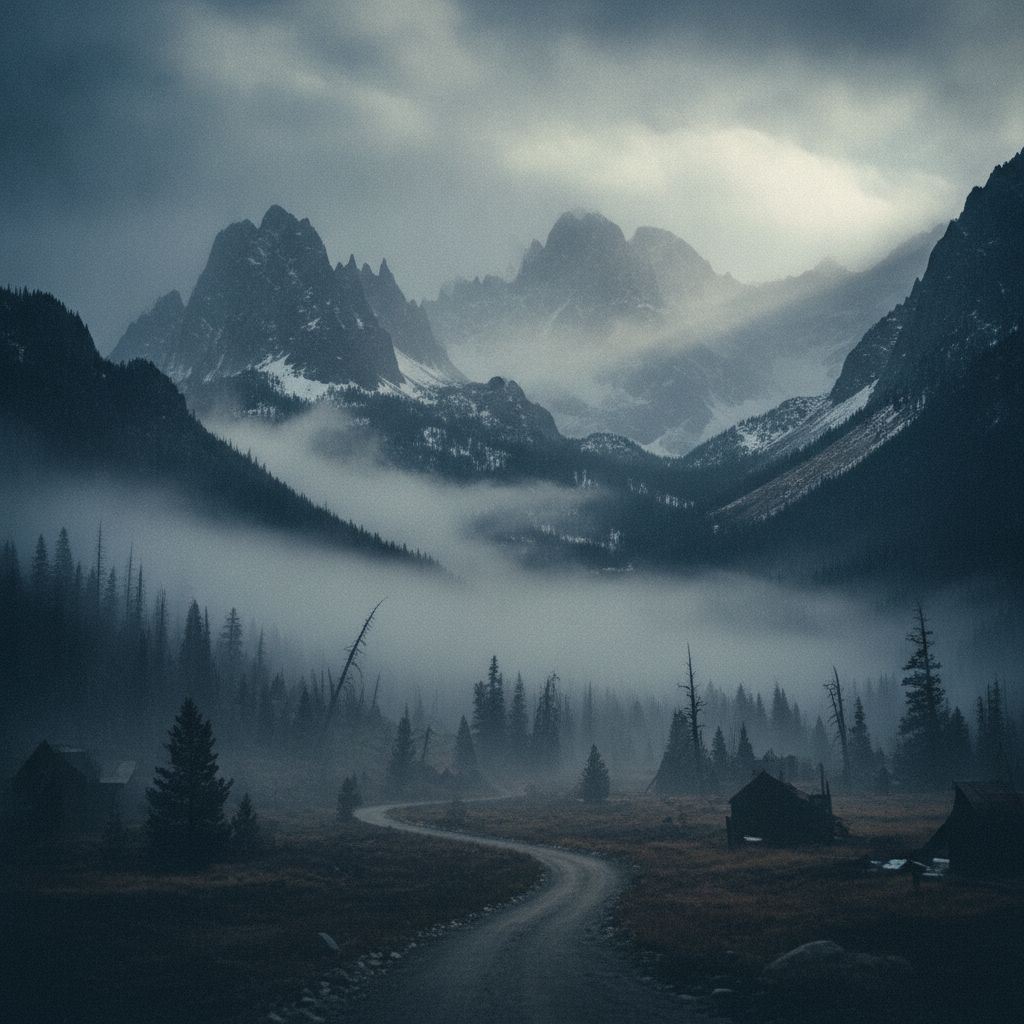
The region in question sits in the rugged country of southern Colorado, radiating out from the San Luis Valley but bleeding into the surrounding mesas, ranchland, and canyon systems that stretch toward the New Mexico border. It’s a landscape of enormous sky and very little cover—open enough that anything moving through it, whether cattle, aircraft, or something stranger, tends to get noticed. And for going on fifty years, people have been noticing things they can’t explain.
The Mutilations That Made National News
The case that anchors the region’s dark reputation isn’t folklore at all—it’s documented, investigated, and still officially unresolved. In the 1970s, ranchers across southern Colorado began finding cattle dead under bizarre circumstances: precise incisions, organs and soft tissue removed with what investigators repeatedly described as surgical-like precision, and notably, an absence of blood at the scene. No tracks. No predator signs. No clear cause of death.
The case that drew the most attention was that of a horse named Snippy (also known as Lady), found dead near Alamosa in September 1967—an incident widely credited with kicking off the entire cattle mutilation phenomenon in the American West. The animal’s head and neck had been stripped of flesh in a way that local authorities and veterinarians at the time could not readily explain, and the story exploded into national press coverage almost immediately.
Through the 1970s, similar reports multiplied across Colorado and other Western states, drawing enough public alarm that law enforcement and even state government got involved. Colorado rancher and law enforcement investigations at the time considered a range of explanations—predation, disease, ritualistic activity, and cult theories among them—without reaching consensus. The phenomenon became serious enough that it drew the attention of the FBI, and in 1979 the Bureau conducted an investigation into New Mexico cattle mutilations at the request of a U.S. Senator, ultimately concluding that predators and natural decomposition explained most of the reported cases—though that conclusion never fully satisfied ranchers who insisted what they found on their land didn’t match ordinary predator kills.
That gap—between an official explanation and the lived experience of people finding animals with what looked like laser-clean wounds—is exactly the kind of unresolved friction that keeps legends alive. It’s important to be precise here: the mutilation reports themselves are well documented in regional newspapers and law enforcement records. What caused them remains, to this day, a genuinely open question, with theories ranging from natural predation and scavenger activity to more speculative ideas involving covert testing or, for the more paranormally inclined, something less earthly.
Lights, Radar, and a Very Old Question
The mutilation cases didn’t exist in isolation. Southern Colorado’s skies have carried a UFO reputation for decades, layered on top of the cattle incidents rather than separate from them. Military and commercial pilots, ranchers, and law enforcement in the region have filed sighting reports going back generations, and the area has become a magnet for UFO researchers precisely because the sightings and the animal deaths seemed, to many observers at the time, to be connected in ways nobody could prove.
That reputation isn’t unique to this one stretch of Colorado, either. Just last week, VailDaily.com revisited a UFO wave from forty years ago over Vail—a reminder that strange lights over Colorado mountains are not a new phenomenon confined to one valley, but something that has surfaced repeatedly across the state’s high country going back decades, each time drawing brief national curiosity before fading from the news cycle.
The “Nefarious Characters” Angle
Beyond the animals and the lights, the Denver Gazette’s reporting on the region’s “Bermuda Triangle” reputation also touches on something murkier: persistent rumors of unexplained disappearances and speculation about clandestine military activity in the surrounding wilderness. This part of the story sits more firmly in the territory of folklore and local legend than documented fact. Colorado’s southern mountains and mesas are remote, difficult to search, and have swallowed hikers and travelers over the years for entirely mundane reasons—exposure, terrain, weather. But the region’s reputation for strangeness has a way of recasting ordinary tragedy as something more sinister in the retelling, and rumors of secret government testing in the area have circulated for decades without any public documentation to substantiate them.
It’s worth being honest about that distinction. The cattle mutilations are a matter of public record. The UFO sighting reports are documented, however inconclusive their explanations. The disappearance folklore and the military-testing rumors are, at this point, exactly that—folklore, passed down and amplified rather than investigated and confirmed. That doesn’t make the stories less compelling. It just means they belong in a different evidentiary category.
Why Now?
Interest in Colorado’s paranormal hotspots doesn’t stay constant—it rises and falls with the news cycle, and right now it’s rising. Sentinel Colorado reported this week on renewed federal movement toward releasing new batches of UFO-related files, with hints from the Trump administration about further disclosure on the horizon. Whenever Washington signals it’s willing to open old drawers, places like southern Colorado’s “triangle” get pulled back into the conversation, because they’re exactly the kind of long-standing, unresolved case files that any new disclosure might theoretically touch.
That’s speculation, to be clear—there’s no indication yet that any specific promised release will address Colorado’s cattle mutilation cases or sighting reports directly. But the timing explains why old stories are resurfacing in new coverage, and why a decades-old Colorado legend is once again getting fresh ink.
What Remains Unexplained
Strip away the embellishment, and what’s left in southern Colorado is still genuinely strange: a horse’s death in 1967 that no one adequately explained, a wave of similar cattle deaths through the 1970s that drew federal investigators who couldn’t close the book on it, and decades of sky-watchers reporting lights and objects they couldn’t identify over some of the emptiest country in the American West. Whether any of it connects—whether it’s predators and coyotes and swamp gas, or something the official record hasn’t caught up to yet—remains an open question.
That unresolved space, more than any single sighting or mutilated steer, is what earns southern Colorado its “Bermuda Triangle” nickname. The legend persists not because everything about it has been proven, but because so little of it has been definitively disproven either.