
Denver's Haunted Mortuary Turned Restaurant Gets Investigated
Paranormal investigators explore a former Denver mortuary now serving diners—what they found in the building's dark past may still linger there.
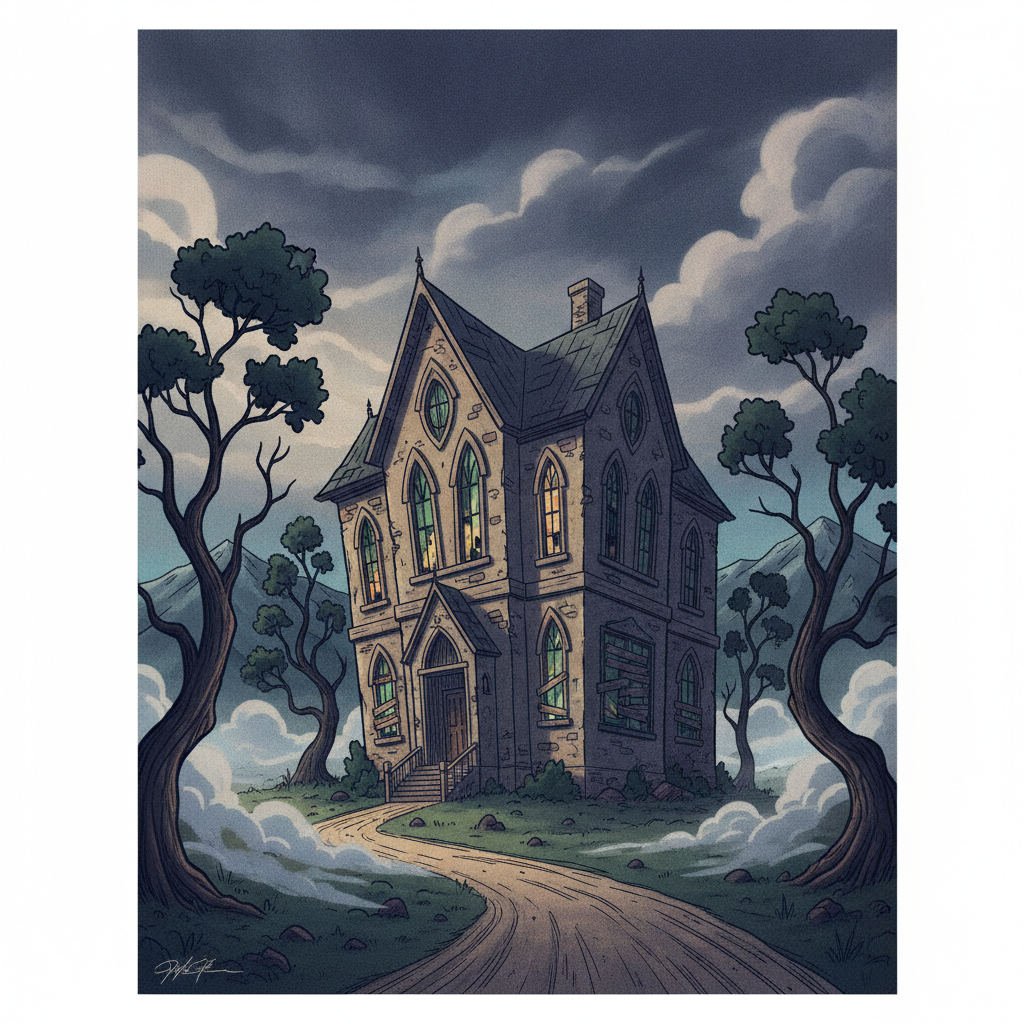
The building at the corner where Denver’s Five Points neighborhood meets downtown has worn many faces over the last century — but few locals knew, until recently, that one of its most striking former lives was as a mortuary. According to a September 2025 CBS News report, paranormal investigators became the first team to formally explore the building’s dark history, treating the popular bar and restaurant Ophelia’s Electric Soapbox not just as a nightlife destination, but as a site worth serious paranormal scrutiny.
The story, along with a follow-up from Denver7 in October 2025 detailing the investigators’ plans for a television debut, has reignited a very old question in Colorado’s paranormal community: what happens to the energy — or the memory — of a building once it stops serving the dead and starts serving cocktails?
A Restaurant With a Past
Ophelia’s Electric Soapbox has long been known around Denver for its eclectic, maximalist decor and its perch inside a Victorian-era building on Welton Street. The structure’s varied past — including its ties to Denver’s early 20th-century history — has made it a subject of local fascination for years. According to CBS News, the recent investigation marked the first documented, organized paranormal exploration of the building specifically tied to its history as a mortuary, with the Denver7 report noting that the team’s work was significant enough to warrant a television feature.
What exactly the investigators encountered inside the building hasn’t been detailed in full in the available reporting, and it’s worth being upfront about that: much of what circulates about “hauntings” in these spaces comes from the investigators’ own accounts and equipment readings — EMF meter spikes, audio anomalies, temperature fluctuations — rather than from independently verified phenomena. That distinction matters. Paranormal investigation, by its nature, produces evidence that is compelling to those present and difficult to verify after the fact. The CBS News and Denver7 coverage confirms the investigation happened and that it was notable enough to draw television interest — beyond that, claims about specific “findings” should be treated as the investigators’ interpretations, not confirmed fact.
Why Old Mortuaries Haunt Us
There’s a reason mortuaries top the list of buildings paranormal investigators want access to, right alongside asylums, prisons, and Victorian mansions. These were places where death was processed as routine business — bodies prepared, families grieved, and, in the era before modern funeral homes became sanitized and clinical, viewings and services often happened in the same rooms where embalming took place.
Culturally, we tend to associate these spaces with residual trauma — the idea that repeated exposure to grief, death, and ritual somehow imprints itself on a structure. This is squarely in the realm of folklore and theory rather than established science; no peer-reviewed research has demonstrated that buildings can “store” emotional events. But the belief itself is old and persistent, and it’s part of why mortuary buildings are magnets for ghost hunters, TV crews, and curious diners alike, whether or not anything is actually there.
Denver, in particular, has a long relationship with its mortuary buildings — because so many of them are still standing, repurposed rather than demolished.
Denver’s Long History of Repurposed Death Houses
The most famous example in the city is arguably Linger, the acclaimed restaurant on West 32nd Avenue in the Highland neighborhood. The building was originally home to the Olinger Mortuary, one of Denver’s most prominent funeral service providers for much of the 20th century. When the space was converted into a restaurant, the owners kept a wink to that history baked right into the name — Linger, a play on Olinger — and the building’s mortuary-era details, including its chapel-like architecture, remain visible to diners today. It’s one of the most well-documented examples in the city of a death-industry building finding new life as a place of celebration rather than mourning.
That pattern isn’t unique to Linger. Across Denver and the broader Front Range, funeral homes, chapels, and mortuary buildings from the late 1800s and early 1900s have been converted into offices, event spaces, apartments, and restaurants as neighborhoods gentrified and historic preservation efforts kept these ornate Victorian and early 20th-century structures from the wrecking ball. Many of these buildings were built to be beautiful — funeral architecture of that era favored grand facades, stained glass, and solemn, chapel-like interiors — which makes them attractive for adaptive reuse today, decades after the last funeral was held inside.
It’s this pattern — striking historic architecture, a documented history tied to death, and new commercial life breathed into old walls — that makes buildings like Ophelia’s Electric Soapbox natural subjects for paranormal teams looking for their next investigation.
What We Actually Know
Strip away the speculation, and here’s what’s verifiable: CBS News reported that paranormal investigators explored Ophelia’s Electric Soapbox, a Denver restaurant and bar previously used as a mortuary, and that this was the first such formal investigation of the site. Denver7’s follow-up confirmed the investigation was significant enough to be developed for television. Beyond that, Denver has a well-documented history of converting funeral-industry buildings — most famously the former Olinger Mortuary, now home to Linger — into thriving commercial spaces.
What we don’t have is independently verified evidence of ghosts, spirits, or paranormal activity at Ophelia’s Electric Soapbox. That’s not a dismissal of the investigators’ experience — anyone who has spent time in an old building alone at night, aware of its history, knows how easily imagination and atmosphere can conspire to make the ordinary feel uncanny. It’s simply an acknowledgment of where the reporting currently stands.
Raise a Glass, If You Dare
Whether or not something lingers in the corners of Ophelia’s Electric Soapbox, the building’s story is a reminder of how much unseen history sits beneath Denver’s modern restaurant scene. The next time you’re seated at a trendy bar in a beautifully restored century-old building, it might be worth asking what the space used to be. In a city that has spent 150 years converting its Victorian bones into new purposes, the answer is sometimes stranger — and darker — than you’d expect.
As for the investigators’ television debut, Denver7’s reporting suggests we haven’t heard the last of this particular building’s story. Beyond the Rockies will be watching to see what airs — and whether any new evidence, verifiable or otherwise, comes with it.