
Paranormal Cirque Comes to a City Already Full of Ghosts
An adult circus billed as 'paranormal' is rolling into Colorado Springs — a city with a documented haunted history stretching back over a century.
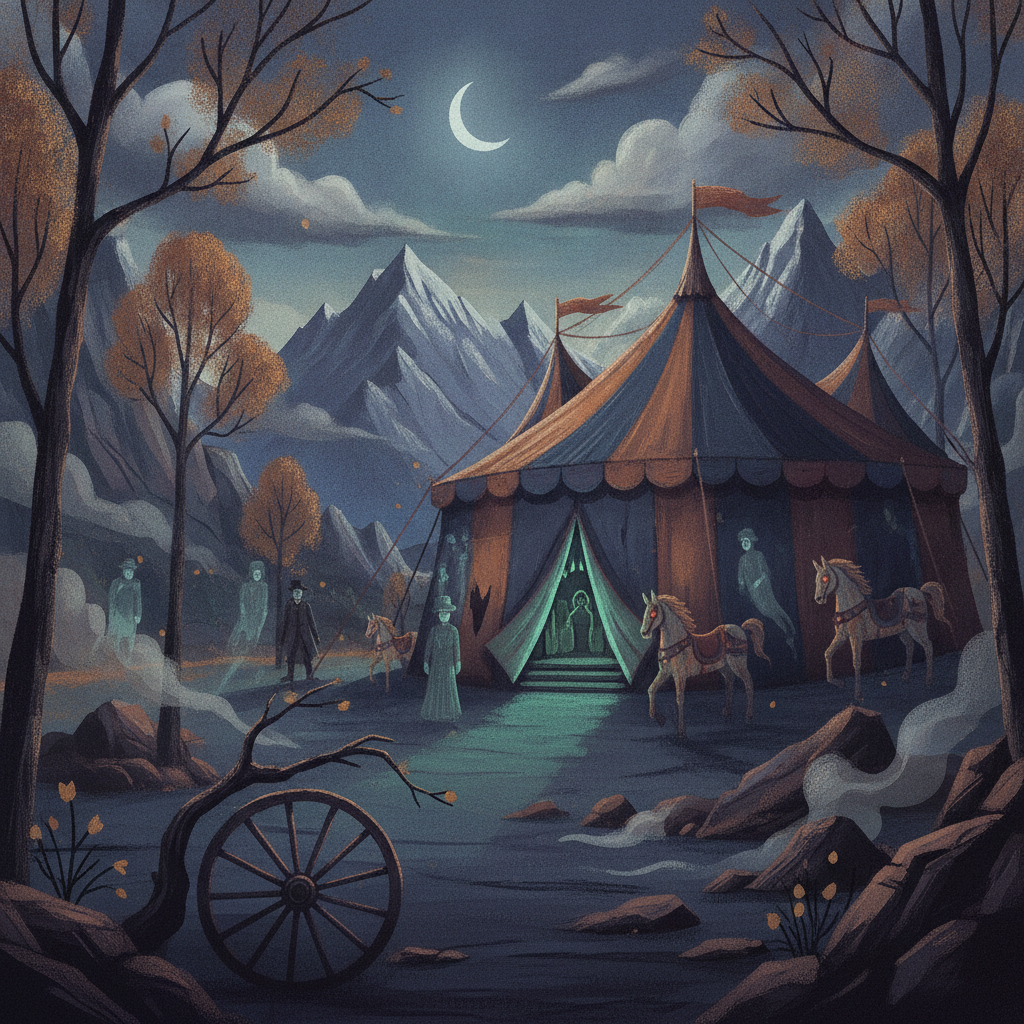
A Tent Full of Dread Pitches Camp in the Pikes Peak Region
There’s a particular kind of irony that writes itself, and Colorado Springs just handed it to us on a silver platter. According to a report from the Denver Gazette, Paranormal Cirque — the touring adult circus franchise known for its dark, horror-tinged take on big-top entertainment — is set to roll into the city, pitching its signature black-and-red tent for a limited engagement of cirque noir performances featuring contortionists, aerialists, and burlesque-adjacent acts dressed in gothic and macabre themes.
For the uninitiated, Paranormal Cirque isn’t a ghost hunt or a haunted house. It’s a traveling adult circus production — one of several such shows that have crisscrossed the country in recent years, setting up temporary tents in shopping center parking lots and fairgrounds — built around a loose “freak show” aesthetic: skeletal makeup, carnival-of-the-damned staging, and performances marketed as not suitable for children. It’s theater, spectacle, and showmanship dressed in the language of the supernatural.
And it’s landing in a city that has spent more than a century collecting actual ghost stories.
A City That Markets Its Own Haunting
Colorado Springs doesn’t need a traveling circus to remind people it has a reputation for the uncanny. Nestled at the base of Pikes Peak, the city has long leaned into its identity as one of the most haunted places in the state — not as a marketing gimmick invented yesterday, but as a reputation built on more than 150 years of recorded strangeness.
The region’s ghost lore stretches back to the mining booms of the late 19th century, when prospectors flooded into the nearby gold camps of Cripple Creek and Victor, and the boomtowns along the base of the mountain filled up fast with fortune-seekers — and with death. Mining accidents, brutal winters, disease outbreaks, and the general violence of frontier life left behind a staggering number of early, sudden deaths. Colorado newspaper archives from the period are peppered with accounts of unexplained apparitions, strange lights, and “ghost” sightings reported by residents and miners alike — the kind of 19th-century newspaper ghost stories that historians and folklorists still comb through today when tracing the roots of Colorado’s haunted reputation.
That history didn’t stay buried. It became part of the city’s identity. Colorado Springs has built an entire tourism niche around its supposedly restless dead — ghost tours, haunted history walks, and local lore passed down through generations of residents who will happily tell you their grandparents’ stories about the lights on the mountain or the cold spots in old downtown buildings. It’s a city where the past refuses to stay quiet, and where the tension between “historic Western boomtown” and “allegedly haunted ground” has become part of the civic brand.
When Showbiz Borrows the Language of the Unexplained
What makes Paranormal Cirque’s arrival feel almost too on-the-nose is that it’s not actually about ghosts at all — it’s a performance brand that borrows paranormal imagery and language purely for atmosphere. The skull makeup, the dark ringmaster aesthetic, the “cirque noir” branding — none of it claims to document real hauntings or investigate anything genuinely unexplained. It’s spectacle built to evoke a feeling, not a franchise built on documented case files.
That’s worth sitting with for a moment, because it says something about how “paranormal” has become shorthand in popular culture — a mood, a marketing hook, an aesthetic shortcut to “spooky and thrilling” — even when it’s divorced from the actual tradition of ghost investigation, historical hauntings, and unexplained phenomena that places like Colorado Springs have built real reputations on.
There’s nothing wrong with that, exactly. Horror as entertainment has always borrowed liberally from folklore. But it does create an odd layering effect when a traveling adult circus using “paranormal” as a brand name sets up shop in a city whose own ghost stories were never meant to sell tickets — they were reported, in some cases, in good faith, by residents who believed they’d seen something they couldn’t explain.
The Real Hauntings Don’t Need a Marquee
Colorado Springs’ documented haunted history isn’t concentrated in any single marquee location — it’s diffuse, woven through old hotels, former boarding houses, cemeteries, and the general bones of a city built fast and hard during a mining boom. Longtime residents and amateur historians have kept oral traditions alive about strange encounters in homes and buildings dating back to the Gilded Age, when Colorado Springs was a resort town for wealthy tuberculosis patients and mining magnates alike — a combination that, historically speaking, produced no shortage of death.
It’s the kind of haunted reputation that doesn’t rely on special effects or a touring production schedule. It persists because people keep experiencing — or believing they experience — something that doesn’t have a tidy explanation. That’s a very different kind of “paranormal” than aerial silk routines under a tent, and it’s worth not conflating the two, even as both now share a few city blocks for a season.
What’s Real, What’s Performance
None of this is a knock on Paranormal Cirque as entertainment — adult circus and horror-themed variety shows have their own legitimate tradition, and plenty of Colorado Springs residents will no doubt buy tickets for a night of dark, theatrical spectacle. But for those of us who spend our time chasing the genuinely unexplained — the cold spots with no draft, the photographs with shapes nobody can identify, the newspaper clippings from 1887 describing lights that shouldn’t have been there — it’s worth drawing a clear line.
One is a show. The other is a history that the city has never quite been able to put to rest.
Colorado Springs will get its traveling tent of staged scares for a few nights this season. But long after the circus packs up and rolls on to the next city, the older, quieter hauntings — the ones built from mining deaths, boomtown tragedy, and a century and a half of residents swearing they saw something they couldn’t explain — will still be exactly where they’ve always been. No ticket required.