
The Lumber Baron Inn: Denver's Unsolved Murder and Its Ghosts
Inside Denver's Lumber Baron Inn, where a 1970 double murder was never solved and guests still report encounters tied to its haunted past.
A House That Won’t Let Go of Its Secrets
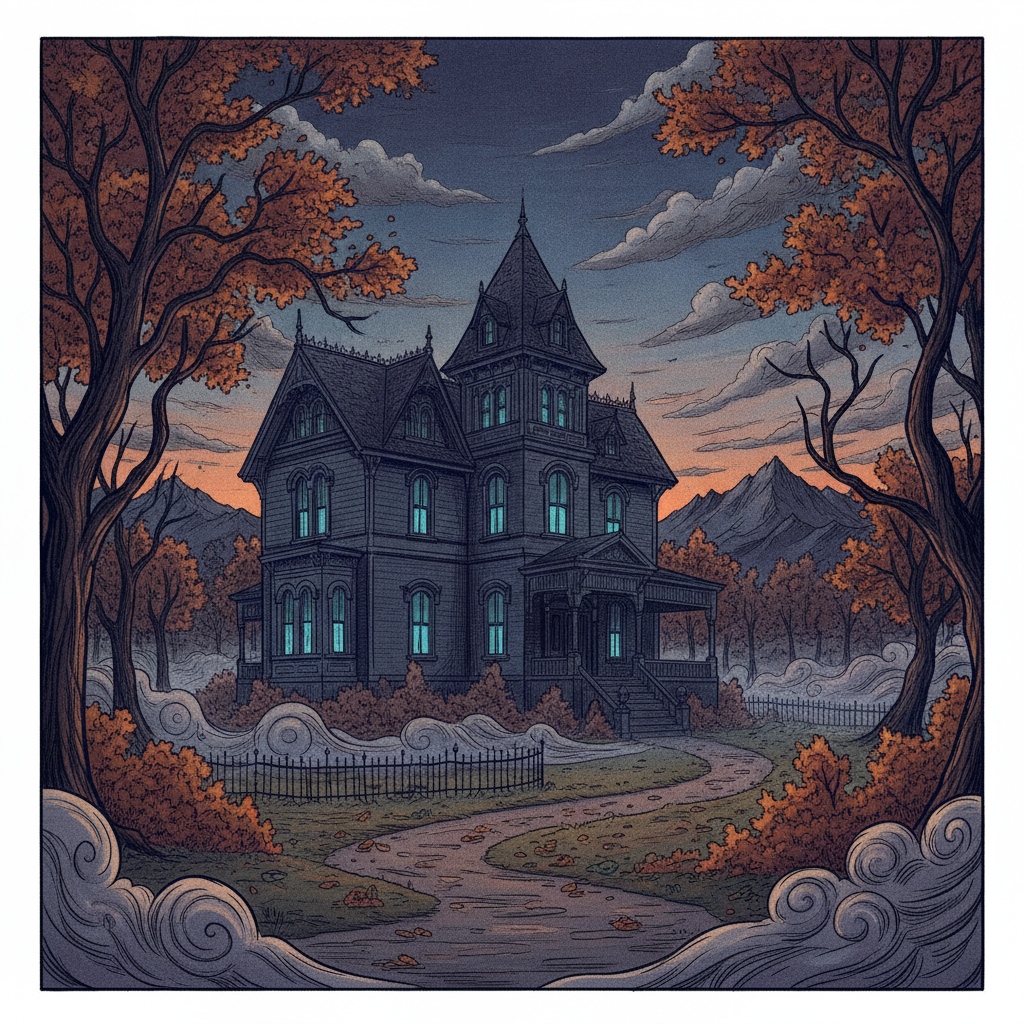
In the Highland neighborhood of Denver, just blocks from the trendy coffee shops and renovated bungalows that have transformed the area over the past two decades, stands a Victorian mansion with a wraparound porch, stained glass windows, and a history that refuses to stay buried. The Lumber Baron Inn has operated for years as a bed-and-breakfast, hosting weddings, murder mystery dinners, and curious overnight guests. But long before the flower arrangements and champagne toasts, the house was the scene of a double homicide that Denver police never solved — and that, according to decades of visitor accounts, the building itself has never forgotten.
The timing feels right to revisit this case. Colorado Public Radio recently put out a call asking residents to share their ghost stories, urban legends, and strange tales from across the state, a sign of just how much appetite there is right now for the Front Range’s unexplained history. Denver TV crews have been getting in on it too — CBS News and Denver7 have both sent paranormal investigation teams into local haunted hotspots in recent months, from a former mortuary turned restaurant to music venues with reportedly restless histories. Against that backdrop, it’s worth returning to one of Denver’s most enduring and genuinely documented cases of unexplained tragedy: the Lumber Baron Inn.
The House on West 37th Avenue
The mansion was built in 1890 for John Mouat, a prosperous Scottish lumber merchant whose business supplied the wood that helped build much of early Denver. The home was constructed in the Queen Anne style typical of the era’s wealthy industrialists — ornate woodwork, a turret, and a grand staircase that still greets guests today. For decades it served as a stately family residence in what was then one of Denver’s more affluent enclaves.
By the mid-20th century, like many large Victorian homes across American cities, the mansion had been carved up and repurposed. It became a boarding house, and later a rooming house catering to young renters, a common fate for oversized single-family homes as neighborhoods shifted and urban housing needs changed. That transition set the stage for the event that would come to define the building’s reputation for the next half-century.
The Unsolved Murders of 1970
In 1970, when the mansion was operating as a rooming house, two young women who lived there were murdered inside the building. The case has been widely referenced in Denver news archives and true-crime coverage over the decades, and it remains, to this day, unsolved. No one was ever charged. No definitive motive was ever established in the public record. The killer, or killers, were never identified.
Unsolved homicides from that era are not unusual — cold cases pile up in every city’s records, their files growing thinner and more forgotten with each passing year. What sets this one apart is the building’s survival and its strange second act. Rather than being torn down, as so many crime scenes in Denver have been over the decades, the house was eventually restored and reopened as the Lumber Baron Inn, a boutique bed-and-breakfast. Guests now sleep in the same rooms, walk the same staircase, and pass through the same hallways where, decades earlier, two young women lost their lives in a case Denver investigators were never able to close.
Decades of Reported Encounters
Almost from the moment the inn reopened to the public, staff and guests began reporting unusual experiences. Accounts collected over the years and referenced in regional media and paranormal research include sensations of being watched, unexplained cold spots, footsteps on empty staircases, and the feeling of a presence in certain upstairs rooms. These kinds of reports are, of course, common to old buildings everywhere — creaking Victorian houses are notorious for settling noises, drafts, and the tricks old plumbing and wiring can play on the imagination. But the sheer consistency of the Lumber Baron’s reputation, sustained across different owners, staff, and decades of guests who had no prior knowledge of the building’s history, is part of what has kept the story alive in Denver’s paranormal lore.
The inn’s reputation grew substantial enough that it attracted attention from the Travel Channel’s “Ghost Adventures,” a program that has investigated reportedly haunted locations across the country using EMF detectors, night-vision cameras, and other field equipment favored by amateur and semi-professional paranormal investigators. The show’s visit brought the Lumber Baron Inn’s story to a national audience, cementing its place alongside other well-known Colorado haunts like the Stanley Hotel in Estes Park and the Croke-Patterson Mansion in Denver’s Capitol Hill.
It’s worth being clear-eyed here: television investigations of this kind are entertainment first, and their findings — anomalous readings, captured “voices,” orbs in photographs — are not scientific evidence of anything. Skeptics point out that old houses are full of electromagnetic interference from wiring, that pareidolia explains why people hear voices in white noise, and that the power of suggestion is strong once a building’s violent history is known. None of that explanation erases the real, documented crime at the center of the story, though. The murders happened. They were never solved. And that unresolved fact is, in many ways, more unsettling than any orb or cold spot.
Why the Story Keeps Resurfacing
There’s a reason stories like the Lumber Baron Inn’s keep circulating rather than fading into old newspaper microfilm. Unsolved murders leave a kind of narrative wound that true crime audiences and paranormal enthusiasts alike are drawn to probe. Add in a beautifully restored Victorian mansion that guests can actually book a room in, and you have a rare collision of history, mystery, and lived experience — visitors aren’t just reading about the case, they’re sleeping in the building where it happened.
That collision is exactly what’s fueling the current wave of interest in Colorado’s haunted locations. Denver-area news outlets have spent much of this year sending camera crews into reportedly haunted restaurants, venues, and historic buildings, while Colorado Public Radio’s recent callout for ghost stories signals a broader cultural hunger to document and preserve the state’s unexplained history before it’s lost. The Lumber Baron Inn sits comfortably at the intersection of all of it — a real unsolved crime, a real historic building, and decades of reported phenomena that have never been definitively explained one way or the other.
A Case That Remains Open
Fifty-plus years on, the 1970 murders at the house that would become the Lumber Baron Inn remain an open wound in Denver’s history — a case without a resolution, inside a building that has become synonymous with the unexplained. Whether you believe the reported encounters are evidence of something lingering, or simply the natural byproduct of an old house with a dark chapter in its past, the facts of the case itself need no embellishment. Two young women were killed. No one was ever brought to justice. And the house, now filled with wedding parties and overnight guests, still holds that silence close.