
Hotel Teatro: Denver's Haunted Tramway Building Turned Hotel
Inside Hotel Teatro, the historic Denver Tramway Company headquarters now a boutique hotel with decades of reported ghostly encounters.
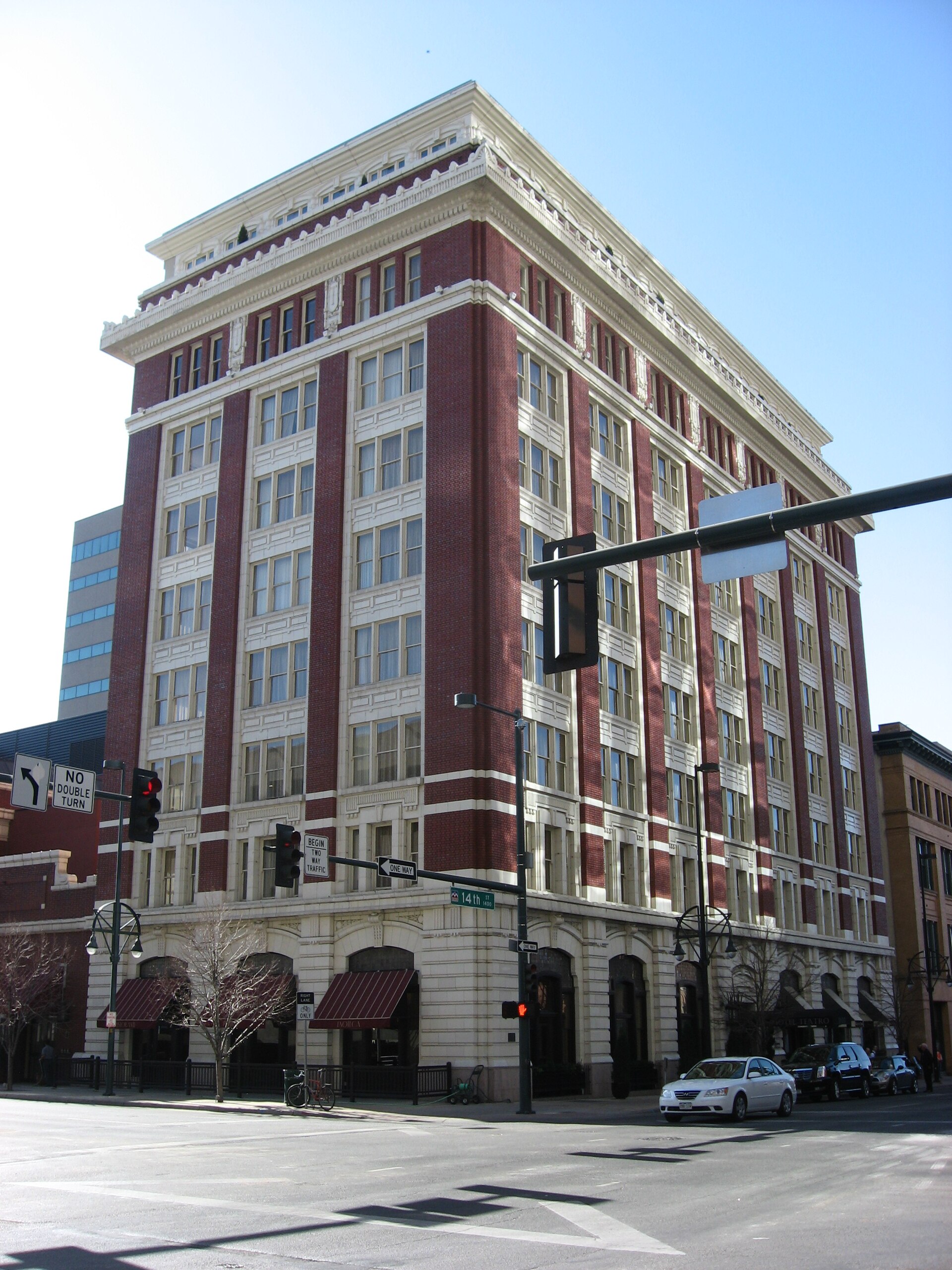
A Landmark of Denver’s Streetcar Era
Long before it welcomed theatergoers and business travelers to its boutique rooms, the building at 1100 14th Street hummed with the business of moving a growing city. Constructed in 1911, the structure served as the headquarters of the Denver Tramway Company, the operation that once ran Denver’s extensive network of electric streetcars. At its peak, the Tramway Company’s rail lines stretched across the metro area, carrying tens of thousands of Denverites to work, to downtown shops, and to the mountain parks that ringed the young city.
The building itself was no utilitarian afterthought. It was designed in part by Frank Edbrooke, the architect whose name is stamped across much of Denver’s most storied late-19th and early-20th century architecture. Edbrooke is best known for designing the Brown Palace Hotel, Denver’s iconic flatiron-shaped luxury hotel that opened in 1892, but his portfolio also includes other prominent commercial and civic buildings from the era. The Tramway headquarters carried the same attention to solid masonry construction and dignified civic presence that marked his other Denver work — a fitting home for a company that saw itself as essential infrastructure for a modernizing western city.
Life Inside the Tramway Building
The Denver Tramway Company was, in its day, both a point of civic pride and a site of real labor tension. Streetcar work in the early 20th century was demanding and often dangerous — long shifts, exposure to the elements on open platforms, and the ever-present hazards of operating heavy electric machinery through city streets. Denver’s tramway system was also no stranger to labor unrest; streetcar strikes and disputes between workers and management were a recurring feature of the industry nationally during this period, as transit companies across the country grappled with unionization efforts and sometimes volatile confrontations between strikers and company men.
The building at 14th and Arapahoe would have functioned as the administrative nerve center for all of this — the offices where routes were planned, grievances were logged, and the daily machinery of a sprawling transit system was kept running. It’s the kind of institutional history — long hours, hard labor, and the occasional outbreak of conflict — that often gets cited in discussions of why a building might later be considered a site of residual paranormal energy, though it’s worth being clear that this connection is interpretive, not documented fact.
Denver’s streetcar system itself didn’t last forever. Like many American cities, Denver phased out its tramway network by the middle of the 20th century in favor of buses and automobiles, and the grand Tramway building eventually lost its original purpose, passing through various commercial uses as downtown Denver evolved around it.
From Tramway Offices to Boutique Hotel
In 1998, the historic building underwent a significant transformation, reopening as Hotel Teatro — a boutique luxury hotel taking its name from its location directly across from the Denver Center for the Performing Arts. The renovation preserved much of the building’s early-20th-century character, including exposed brick, tall windows, and the kind of solid architectural bones that only a Frank Edbrooke-era structure could offer. Today, Hotel Teatro is known for catering to theater patrons, business travelers, and touring performers, trading on its proximity to the Denver Center and its reputation as one of downtown’s more distinctive historic properties.
But the building’s century-plus of continuous use — from streetcar bureaucracy to five-star hospitality — has also made it a fixture on Denver’s informal ghost-tour circuit, where guides and local paranormal enthusiasts have long included it alongside better-known haunted stops like the Brown Palace, the Oxford Hotel, and the Croke-Patterson Mansion.
The Hauntings Attributed to the Old Tramway Building
Unlike some of Denver’s more famous haunted sites, Hotel Teatro doesn’t have a single headline-grabbing death or scandal tied to its name. Instead, its reputation rests on the kind of cumulative, lower-key lore that tends to attach itself to old industrial buildings repurposed for new life — reports passed along through local ghost-tour operators and haunted-hotel guides rather than documented in newspaper archives the way the Brown Palace’s more publicized incidents have been.
According to local ghost-tour literature and haunted-hotel guides that circulate around Denver, staff and guests at Hotel Teatro have periodically reported unexplained cold spots in certain hallways and rooms — the kind of sudden temperature drops that paranormal investigators traditionally associate with spectral activity, though skeptics point out that older buildings with uneven insulation and century-old HVAC retrofits are naturally prone to drafts and inconsistent heating. Some accounts collected in local haunted-Denver guides also describe fleeting apparitions or shadowy figures glimpsed in corridors, particularly in areas of the building that correspond to the Tramway Company’s original administrative offices.
It’s important to be straightforward about the nature of this evidence: these are not accounts with named witnesses on the record, nor are they documented in contemporary newspaper coverage the way some of Denver’s other haunted locations have been investigated and reported. They circulate primarily through the oral tradition of Denver’s ghost-tour industry and compiled lists of the city’s “most haunted” buildings — a genre of local lore that blends genuine historical atmosphere with the understandable instinct to find mystery in a building that has witnessed a hundred years of human labor, ambition, and change.
Weighing the History Against the Legend
What makes Hotel Teatro a compelling entry in Denver’s paranormal landscape isn’t a single dramatic ghost story — it’s the texture of the building itself. This is a structure designed by the same architectural mind behind the Brown Palace, built to serve as the command center for a transit company that shaped how an entire generation of Denverites moved through their city, staffed by workers who endured long hours and, at times, labor conflict, and then reborn decades later as a place where theater patrons sleep before and after a night at the Denver Center.
Whether the cold spots and fleeting shadows reported over the years are genuine residual energy from a century of hard work and human drama, or simply the ordinary creaks and drafts of a century-old building doing what old buildings do, is something no paranormal investigator has definitively settled. What’s certain is the real history underneath the legend: a landmark of Denver’s streetcar age, an Edbrooke-associated piece of the city’s architectural heritage, and a building that has quietly watched downtown Denver transform around it for more than 110 years. For anyone walking past 14th and Arapahoe after dark, that history alone is enough to make the building worth a second look.