
The Secret Tunnels Beneath Colorado's State Capitol
Denver's Gold Dome hides a real underground tunnel network—and decades of rumors about where it actually leads. We separate verified history from urban legend.
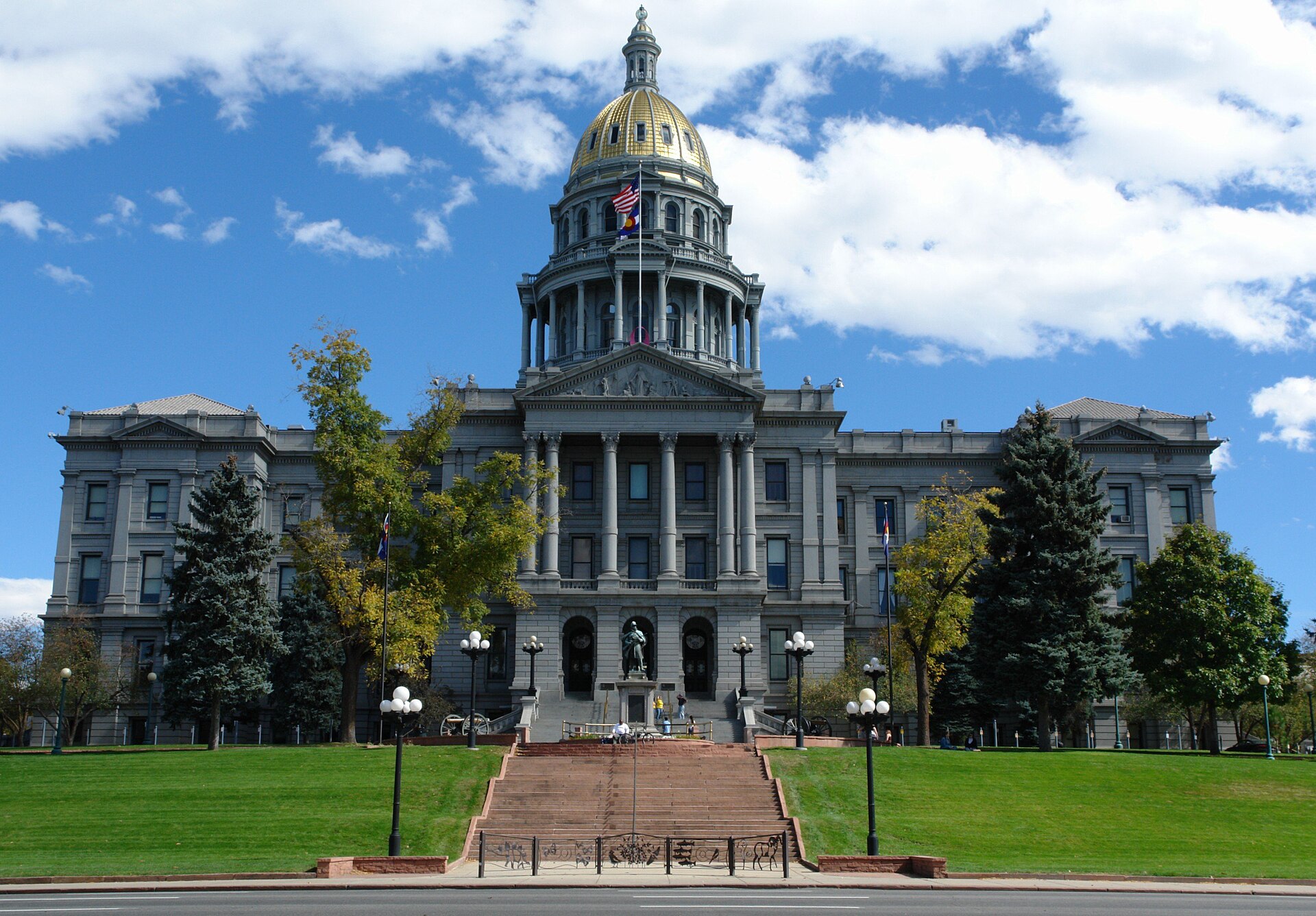
Beneath the Gold Dome
Denver’s State Capitol has stood watch over the city since 1894, its dome sheathed in real Colorado gold leaf, its granite walls quarried from the same stone that built the city’s grandest Gilded Age ambitions. Tourists climb its marble staircases and snap photos from the 13th step, officially measured at exactly one mile above sea level. But beneath all that polished stone and political theater runs something far less photographed: a network of utility tunnels connecting the Capitol to the surrounding state office buildings.
The tunnels are real. That part isn’t legend. What people have filled them with over the past century — bootleggers, secret escape routes, restless spirits — is where the story gets complicated, and considerably more interesting.
What’s Actually Down There
Like many state capitol complexes built in the late 19th and early 20th centuries, Colorado’s Capitol relies on a system of underground utility corridors to move steam, electrical conduit, and other infrastructure between the main building and nearby state offices, including the Capitol Annex and other government buildings clustered around Civic Center Park. This is standard practice for the era — steam heating systems were common in large institutional buildings constructed before modern HVAC, and running pipes through accessible underground corridors was far more practical than tearing up streets or walls every time a line needed maintenance.
Colorado’s legislative and historical preservation materials, along with features tied to public Capitol tours, acknowledge these service tunnels as part of the building’s working infrastructure. They aren’t a secret in the sense of being classified or hidden from the state — they’re simply not open to the public, for the mundane but entirely sufficient reason that they house live steam lines, electrical systems, and other hazards that make them unsuitable for foot traffic by tourists or school groups. Capitol tour guides, when asked about the tunnels, generally confirm their existence while explaining that liability and safety are the reasons visitors never see them.
That’s the boring, verifiable truth. It’s also almost never the version of the story that gets told at Colorado dinner parties.
The Prohibition Rumor Mill
Ask around Denver long enough and someone will tell you the tunnels were used to smuggle liquor during Prohibition — that lawmakers who voted dry by day slipped down into the dark to drink by night, moving bottles and barrels through the same corridors that carried steam pipes. It’s a deliciously ironic image: the people writing the laws against alcohol using government infrastructure to circumvent them.
It’s also unverified. There’s no documented evidence — no newspaper account, no state record, no preserved artifact — confirming that the utility tunnels were ever used for bootlegging. The rumor persists for reasons that make sense psychologically even without proof: Denver, like most American cities, had a vibrant underground drinking culture during Prohibition, and the Capitol’s real, physical tunnel system gave that broader cultural memory a concrete place to live. It’s easier to believe a conspiracy when there’s an actual hole in the ground to point to, even if nothing ties that specific hole to the specific crime.
This is a pattern worth noting for anyone interested in how urban legends form: real infrastructure plus a culturally resonant crime equals a story that outlives any documentation of it actually happening.
Escape Routes for the Powerful
A second strand of legend holds that the tunnels serve — or once served — as an escape route for legislators and government officials, a way to slip out of the building unseen during a crisis, a protest, or simply an uncomfortable press conference. Again, the premise rides on something true: the tunnels do connect the Capitol to other buildings, meaning a person could, in theory, move between structures underground without being seen crossing the plaza above.
But “could in theory” is very different from “was built for” or “has been used for.” Utility tunnels designed to carry steam and electrical lines are not the same as designed security infrastructure, and there’s no documented record of the tunnels being used as a security escape route in any official capacity. The idea simply maps neatly onto what people already believe about politicians — that they have hidden means of avoiding accountability — and the Capitol’s real underground network gives that belief a physical shape.
Ghosts of the Gold Dome
No Colorado urban legend network would be complete without a ghost story, and the Capitol has its share, circulating informally among staff and tour guides rather than appearing in any official record. Stories passed among capitol employees over the years have described cold spots, footsteps in empty corridors, and a general sense of being watched in the building’s older, less-trafficked sections — the kind of accounts common to large, aging government buildings with long institutional histories and more than a few corners that simply don’t get much foot traffic.
These stories should be understood for what they are: oral tradition among people who work in a very old, very large building, not documented paranormal investigation. No credible, publicly verifiable ghost-hunting investigation of the Capitol tunnels has been conducted and published with findings, as far as public record shows. That doesn’t make the stories meaningless — institutional ghost lore tells us something real about how people relate to old buildings steeped in power and history — but it does mean they belong in a different category than the tunnels’ verified engineering history.
A Smaller, Stranger Sibling to DIA
Colorado already has its most famous underground conspiracy roosting at Denver International Airport, where a baggage-tunnel system and a notoriously strange dedication capstone have fueled decades of speculation about what lies beneath the runways. The Capitol tunnels are a quieter cousin to that legend — less elaborate, less globally known, but built on the same basic formula: real infrastructure, insufficient public access, and a populace primed to fill the gap with something more interesting than steam pipes.
The difference is scale and intent. DIA’s tunnels were built new, for a 20th-century airport, amid a flood of design choices that read as symbolically loaded to conspiracy theorists. The Capitol’s tunnels were built for a 19th-century heating system, for the unglamorous purpose of keeping lawmakers from freezing in January. One mystery was engineered into existence by circumstance; the other was engineered, period, and the mystery came later, grown by decades of retelling.
Separating the Stone from the Story
What makes the Capitol tunnels worth writing about isn’t that something sinister is hidden down there — by all available evidence, nothing is. It’s that they demonstrate, in miniature, exactly how Colorado’s richest urban legends get built: take one piece of real, restricted infrastructure, add a culturally resonant crime or fear, let it marinate through generations of retelling, and watch as the boring truth gets buried under something far more fun to believe.
The steam tunnels beneath the Gold Dome are real. The bootleggers, the secret escapes, the ghosts in the dark — those live in the space between documented history and the stories Coloradans tell each other in the absence of it. That space, as any investigator of the unexplained will tell you, is where the state’s best legends are born.