
The Columbine Mine Massacre: Colorado's Other Forgotten Tragedy
Thirteen years after Ludlow, Colorado's coal fields erupted again. The 1927 Columbine Mine Massacre remains one of the state's least-remembered labor tragedies.
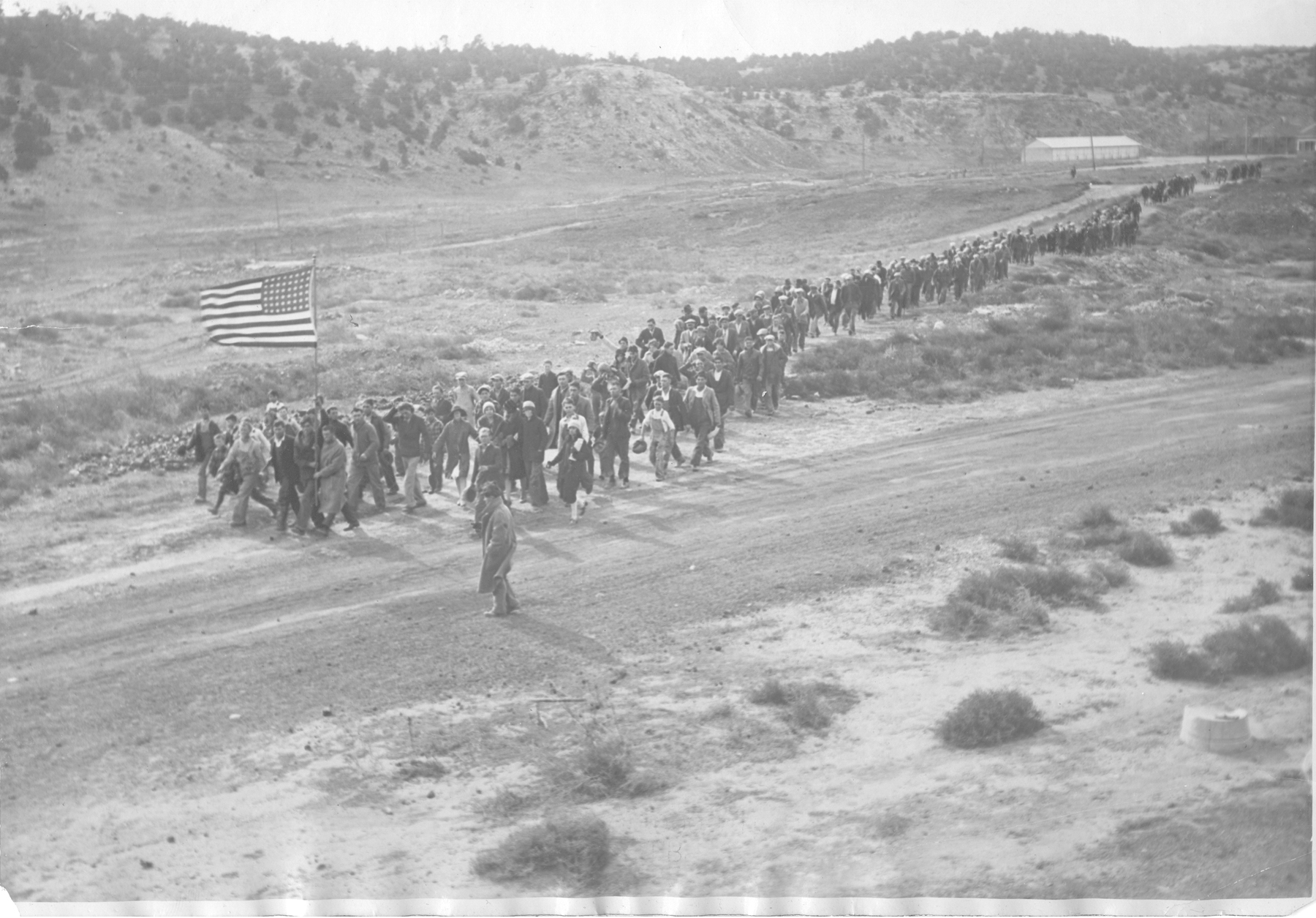
A Second Massacre the State Would Rather Forget
Ask most Coloradans about the deadliest chapters of the state’s coal wars, and you’ll likely hear one name: Ludlow. The 1914 massacre, where Colorado National Guardsmen and private militia set fire to a tent colony of striking coal families near Trinidad, has rightly earned its place in American labor history, memorialized by a granite monument, academic studies, and decades of retelling.
But thirteen years later, in a company town that no longer exists, Colorado’s coal fields erupted in violence again — and almost nobody remembers it. On November 21, 1927, state police opened fire on striking miners outside the Columbine Mine near the settlement of Serene, Colorado, killing six men. It was one of the bloodiest labor confrontations in the state’s history, and today it survives mostly as a footnote.
The 1927 Coal Strike Returns to the Northern Fields
By the mid-1920s, Colorado’s coal industry was in decline, squeezed by competition from oil and natural gas. Mine operators cut wages and hours, and miners — many of them immigrants from Eastern Europe, Mexico, and Southern Europe — grew desperate. In the fall of 1927, the Industrial Workers of the World (IWW), the radical labor union known as the Wobblies, organized a strike across Colorado’s northern and southern coal fields, drawing thousands of miners off the job in a push for better wages and union recognition.
The strike spread quickly through Boulder, Weld, and Las Animas counties. Colorado’s governor at the time, William H. “Billy” Adams, responded by deploying state police and mine guards to protect company property and keep operations running, a familiar pattern in the state’s long and violent history of labor unrest.
November 21, 1927: The Massacre at Serene
The Columbine Mine, operated by the Rocky Mountain Fuel Company, sat in the company town of Serene, a settlement that straddled the Boulder-Weld county line near present-day Lafayette, Colorado. On the morning of November 21, a large crowd of striking miners and their supporters gathered outside the mine’s gates, reportedly intending to shut down operations that had continued with non-striking labor.
What happened next has been documented through period newspaper accounts and later historical research: state police, armed and positioned behind a steel fence, used tear gas on the crowd before opening fire with rifles and machine guns. Six miners were killed in the gunfire, and a number of others were wounded. The exact sequence of events — who gave the order to fire, and whether the crowd posed an imminent threat — remains disputed in the historical record, much as it does at Ludlow.
The dead were coal miners, not soldiers or agitators in any armed sense; contemporary accounts describe a demonstration met with lethal force at close range.
Josephine Roche and an Unlikely Reckoning
What makes the Columbine story distinct from Ludlow is its aftermath. The Rocky Mountain Fuel Company was, by 1927, substantially owned by Josephine Roche, a Denver progressive with a background in social work and reform politics. In the wake of the massacre and the public outcry that followed, Roche took the unusual step of working toward reconciliation with organized labor rather than continuing to resist it. Within a few years, Rocky Mountain Fuel Company became one of the first coal operators in the state to formally recognize the United Mine Workers of America, a striking reversal for an industry that had spent decades crushing unionization by force.
It’s a detail historians point to as one of the few instances where a Colorado coal massacre produced a tangible shift toward labor peace rather than simply more repression — though it came at the cost of six lives.
Why Ludlow Became Infamous and Columbine Did Not
The disparity in public memory between the two tragedies is itself worth examining. Several factors likely contributed, though much of this remains interpretation rather than settled fact.
Ludlow’s death toll was far higher and included women and children who died in the fire that swept the tent colony — a detail that shocked the national conscience in a way gunfire on a picket line did not. Ludlow was also tied to the Rockefeller family and the Colorado Fuel and Iron Company, giving it a national profile and a convenient villain for Progressive Era reformers and journalists. Columbine, by contrast, involved the IWW — a union already viewed with suspicion and hostility by much of mainstream America during the Red Scare era — and a comparatively obscure company town that vanished entirely within a few decades. Serene was eventually absorbed and erased as Lafayette expanded, leaving no community invested in keeping its memory alive.
Some labor historians also suggest that by 1927, coal strikes and violent suppression had become almost routine in Colorado, dulling public reaction to news that might have caused outrage a decade earlier. This is interpretation, not documented fact, but it’s a reasonable reading of why one massacre became a historical touchstone and the other faded from textbooks almost entirely.
The Site Today
Serene no longer exists as a town. The land once occupied by the Columbine Mine and its company housing has been absorbed into the growth of Lafayette and the surrounding Boulder County landscape. A modest historical marker in the area notes the site’s significance, placed through the efforts of local historians and the Colorado Historical Society, though it draws a fraction of the visitors who make the pilgrimage to the Ludlow Monument near Trinidad each year.
Miners killed in Colorado’s coal wars, including those from the Columbine strike, were buried in cemeteries across the northern coal camps — modest graves, often unmarked or minimally marked, scattered through Boulder and Weld counties.
Whispers of the Fenced Yard
As with many sites touched by sudden, violent death, local lore around the old Columbine grounds has accumulated over the decades. Residents and amateur paranormal investigators have occasionally described a heaviness to the area, reports of cold spots, disembodied voices, or a lingering sense of unease near where the mine gates once stood. None of these claims have been documented through any formal paranormal investigation or verified by historical institutions, and they should be understood as folklore — the kind of oral tradition that tends to grow around any ground where people died suddenly and were, in a sense, forgotten by the wider public.
Whether or not anything lingers at the old Columbine site, the historical record alone carries its own kind of haunting: six men dead in a strike for better wages, a massacre that briefly made headlines and then all but vanished from the state’s collective memory — overshadowed by a more famous tragedy that happened a generation earlier, on a different stretch of Colorado coal country.
A Companion Tragedy, Not a Footnote
Ludlow deserves its place in Colorado’s memory. But Columbine deserves one too. Both massacres emerged from the same brutal economics of the coal industry, the same pattern of operators and state power aligning against workers, and the same human cost borne by immigrant families trying to survive in dangerous company towns. Remembering Columbine doesn’t diminish Ludlow — it completes the picture of just how often, and how violently, Colorado’s coal fields turned deadly in the fight for workers’ rights.