
Camp Hale: Colorado's Haunted WWII Ghost Camp
Deep in the Rockies, Camp Hale's wartime ruins and secret CIA past have fueled decades of ghost stories and unexplained encounters.
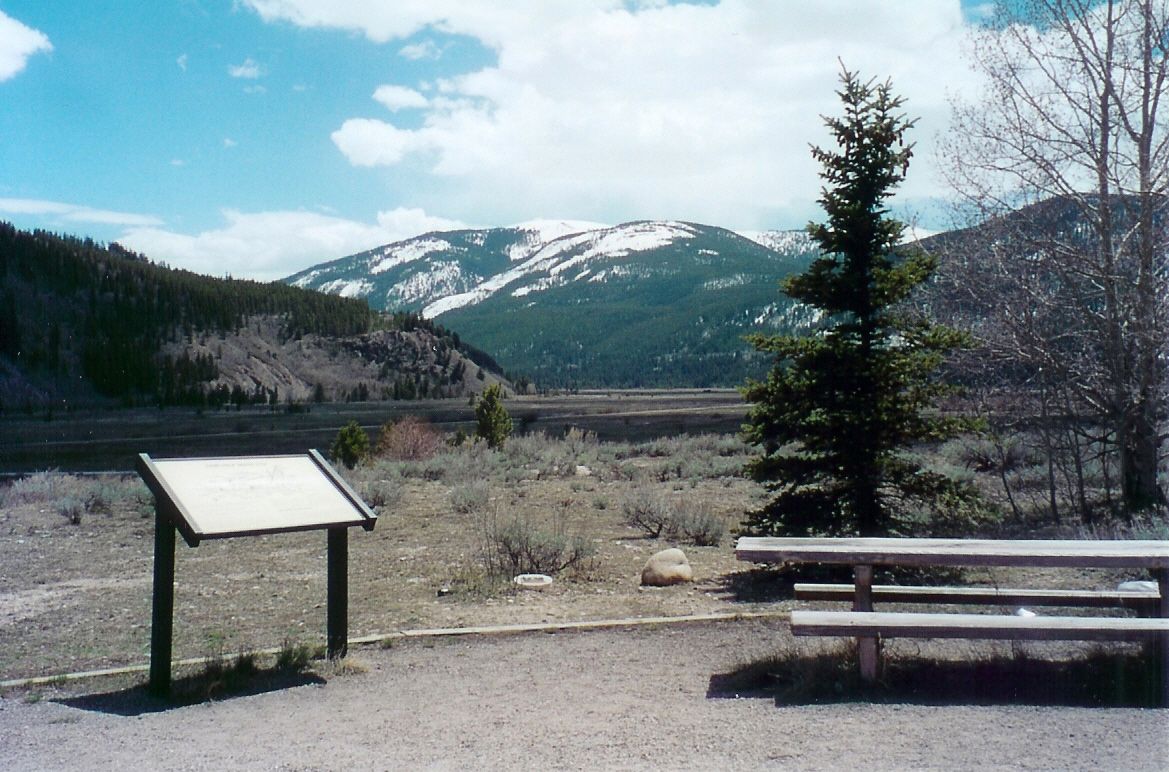
High in the Pando Valley, between Leadville and Vail, the wind moves through ruins that most drivers on Highway 24 speed past without a second glance. Concrete foundations crumble into the sagebrush. Rusted pipes jut from the earth like broken bones. This is Camp Hale — a place with one of the strangest, most secretive histories in Colorado, and one that has quietly become a fixture of the state’s ghost-story tradition.
Camp Hale’s reputation as a haunted site isn’t built on Hollywood fiction. It’s built on a foundation of genuine military history so unusual — mountain warfare, Cold War espionage, environmental contamination, and decades of silence — that it’s easy to see why hikers, campers, and history buffs have spent generations wondering what, exactly, still lingers there.
A Camp Built for War in the Clouds
Camp Hale was constructed in 1942 by the U.S. Army at an elevation of over 9,200 feet, chosen specifically for its brutal winter conditions. It became the training ground for the 10th Mountain Division, the legendary unit of skiing, climbing, and cold-weather combat specialists who would later fight in the mountains of Italy during World War II. At its peak, Camp Hale housed roughly 15,000 soldiers who trained in extreme alpine conditions — skiing with full packs, scaling cliffs, and learning to survive temperatures that regularly dropped well below zero.
The 10th Mountain Division’s legacy is well documented and still celebrated across Colorado’s ski industry — many veterans of the division went on to found or shape resorts like Vail and Aspen after the war. But once the troops shipped out and the war ended, Camp Hale didn’t simply fade into history. It took on a second, far stranger life.
The Secret War: CIA Training at Camp Hale
Few people outside of Colorado realize that Camp Hale became a classified U.S. government installation again during the Cold War. Beginning in the late 1950s, the CIA used the isolated, high-altitude camp to covertly train Tibetan resistance fighters as part of a program later declassified and known as ST CIRCUS (also referred to in declassified records as ST BARNUM). The fighters, recruited and smuggled out of Tibet following the Chinese annexation, were flown to Camp Hale’s remote terrain — chosen precisely because its elevation and isolation mirrored the Himalayas — and trained in guerrilla warfare, communications, and parachuting to be inserted back into Tibet to resist Chinese military control.
This program remained classified for decades and was only confirmed through declassified CIA documents and later historical research, making Camp Hale one of the only sites in the continental United States where Tibetan resistance fighters were secretly trained on American soil. It’s a genuinely remarkable — and still underappreciated — chapter of Cold War history, one that adds an entirely different layer of mystery to the valley beyond its WWII legacy.
Abandonment, Contamination, and Silence
After the CIA program wound down in the 1960s, Camp Hale was left to the elements. The Army had already demolished most of the camp’s original buildings in the late 1950s, and what training structures and support facilities remained were abandoned to the valley’s harsh weather. Decades of unexploded ordnance from military training exercises contaminated the site, and the area became known as one of Colorado’s more hazardous outdoor spaces — the U.S. Forest Service has long warned visitors away from digging or metal-detecting in the area due to the ongoing risk of unexploded munitions.
That combination — ruins, military secrecy, buried ordnance, and a landscape essentially frozen in time since the Cold War — is exactly the kind of setting that breeds ghost stories. A place that was once full of thousands of soldiers, then quietly used for clandestine operations, then left to decay for over half a century, inevitably accumulates legend.
From Forgotten Ruins to National Monument
In October 2022, President Biden designated the area Camp Hale–Continental Divide National Monument, formally recognizing both its WWII training legacy and its broader ecological and cultural significance in the Tenmile and Mosquito mountain ranges. The designation brought renewed public attention to the site, along with interpretive signage and increased foot traffic from hikers and history tourists eager to see the ruins for themselves. For the first time in decades, Camp Hale moved from obscure footnote to protected public landmark — though its contaminated areas remain fenced off and restricted.
The Ghost Stories That Followed
With renewed visitors has come renewed storytelling. Camp Hale has become a recurring entry in Colorado’s ghost-story canon — the kind of place that shows up on lists of the state’s eeriest real locations, alongside sites like the Stanley Hotel and the Molly Brown House. Local lore passed among hikers, campers, and ski-town old-timers includes reports of cold spots that settle in on otherwise mild days, the sound of distant voices or marching footsteps carried on the wind with no one visible for miles, and strange lights seen moving along the valley floor at night, far from any road or campsite.
It’s worth being clear about what these stories are: local legend and folklore, not documented paranormal investigation. There is no formal body of case files, recorded EVP sessions, or peer-reviewed research establishing a haunting at Camp Hale in the way ghost hunters typically document a claim. What exists is an oral tradition — the kind that naturally forms around any place where real soldiers trained in brutal conditions, where secret foreign fighters prepared for a mission many never returned from, and where the physical remnants of all of it are still half-buried in the ground.
Colorado Public Radio has actively solicited residents’ ghost stories and strange tales from across the state in recent years, and Camp Hale consistently surfaces in those conversations — a sign that whatever people experience up in that valley, real or imagined, it has staying power in the regional imagination. Whether that’s the product of genuine unexplained phenomena or simply the psychological weight of standing in a place that trained soldiers for two different secret wars is something each visitor has to decide for themselves.
Walking Through History — and Mystery
What makes Camp Hale compelling isn’t that it needs embellishment. The verifiable history alone — a WWII training ground that shaped modern American skiing, a secret CIA operation training Tibetan freedom fighters in the Rockies, decades of government silence, and finally a hard-won conservation designation — is stranger and more fascinating than most invented ghost stories could ever be.
The legends that have grown up around the ruins are simply the natural result of a landscape that has witnessed more secrecy, sacrifice, and abandonment than almost anywhere else in Colorado. If you visit — and you should, respectfully, staying on marked trails because of the unexploded ordnance risk — you don’t need to believe in ghosts to feel the weight of what happened there. Camp Hale doesn’t need embellishment. It just needs to be remembered.